Floral Illustration Set: A Stitcher's Honest Review
I pulled up the Floral Illustration Set on a rainy Tuesday afternoon, coffee in hand, with a specific project already forming in my mind. A longtime client had asked for a small run of custom embroidered tote bags for her boutique opening, and she wanted something botanical, timeless, and quietly elegant. Not the kind of loud, trendy floral you see everywhere, but something that felt borrowed from an old greenhouse ledger. That is exactly the mood this collection delivers.
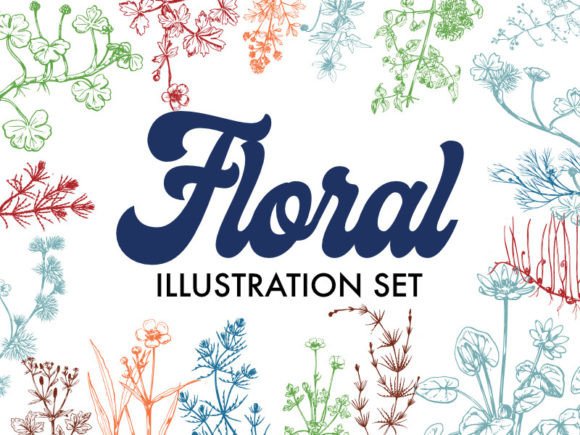
Right away, I could tell these plant sketches came from a different era. The linework carries that unmistakable vintage herbarium quality—delicate stems, softly curling leaves, and bloom shapes that feel observational rather than decorative. These are not generic clipart flowers. They are the kind of botanical drawings you would find in a nineteenth-century naturalist's journal, carefully lifted from public domain publications and preserved as clean vector and raster files. That heritage changes the way a design sits on fabric. It gives the finished product a sense of story, which matters more than many makers realize when a customer picks up a handmade item and decides whether it feels special or simply store-bought.
Before I committed to a full embroidery run, I needed to think through how this Illustrations set would actually behave under thread. Because a beautiful screen graphic does not always translate into a beautiful stitched piece. The distance between a lovely SVG on a monitor and a clean satin stitch on a canvas tote is measured in patience, testing, and honest evaluation.
The Vintage Botanical Mood and Why It Works for Embroidery
The Floral Illustration Set belongs firmly to the Graphics category—meaning you receive vector and PNG files, not ready-to-stitch machine embroidery design files. That distinction is important, especially for embroidery designers who are used to downloading a pre-digitized embroidery file and sending it straight to the machine. With this collection, you are getting the artistic blueprint. You will need to digitize it yourself or work with a digitizer to convert these sketches into stitch-ready formats.
For experienced stitchers, this is actually a creative advantage. The vector line quality is clean enough that tracing paths for running stitch outlines or fill stitch areas feels intuitive. The plants have a natural, unforced asymmetry. Leaves are not perfectly mirrored. Petals have slight irregularities. That organic quality reads beautifully as hand-guided embroidery or well-digitized machine work because it mimics the subtle imperfection of real botanical subjects.
I imagined a linen pillow cover stitched with one of the fern-like specimens in a single muted green thread. Or a baby onesie with a tiny sprig placed near the collar, almost like a pressed flower. The designs have a quiet confidence. They do not shout for attention. That restraint is exactly what boutique customers and gift buyers gravitate toward.
A Real Project Snapshot: The Custom Tote Bag Test
Let me walk you through the tote bag project I mentioned. The client wanted natural cotton totes with a single botanical motif placed off-center, near the bottom corner. She planned to sell them as limited-edition handmade product items in her shop, alongside candles and linen wraps.
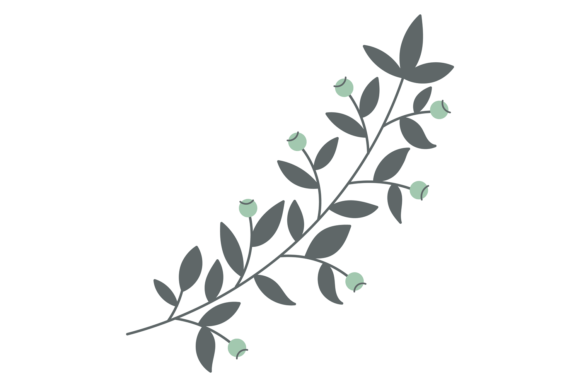
I selected one of the more open, airy illustrations from the set—a slender branch with small alternating leaves and a few bud shapes. The linework was delicate without being fragile. I converted it into a digital embroidery file using a combination of running stitch for the stems and a light satin stitch for the leaves. The digitizing process took about an hour of careful node adjustment, but the original SVG gave me very little cleanup work. Paths were closed where they needed to be, and there were no bizarre overlapping artifacts that sometimes plague hastily converted public domain scans.
On the first test stitch, I used a medium-weight cutaway stabilizer on the cotton canvas. Thread choice was a soft olive green on a natural unbleached tote. The result looked like a hand-drawn herbarium sketch transferred onto fabric. The stitch density was low enough to keep the tote flexible but high enough to read clearly from a few feet away. I could immediately picture these bags stacked at a craft fair table, each one subtly different depending on placement, and each one carrying that vintage botanical signature.
Where This Design Style Shines Brightest
After stitching several test pieces across different base materials, I have a clear sense of where the Floral Illustration Set performs best. The illustrations lean delicate and linear, which makes them ideal for custom apparel where you do not want heavy, stiff embroidery. Think lightweight denim shirts, linen blouses, cotton aprons, and baby embroidery pieces where softness matters.
I also see strong potential in the handmade product space. Etsy sellers and small shop owners who create personalized gift items will find these botanical sketches a natural fit for embroidered handkerchiefs, monogrammed pillowcases with floral accents, or custom tea towels. The designs carry an heirloom quality that elevates a simple kitchen towel or pillow cover into something that feels curated and thoughtful.
For holiday embroidery or seasonal gift lines, a sprig of winterberry or dried wildflower from this set stitched onto a velvet pouch or a linen bread wrap creates an understated festive feel without reindeer or snowflakes. It appeals to customers who prefer subtle, nature-inspired holiday decor.
One pleasant surprise came during a quick test on a cap. I had low expectations because curved surfaces and delicate linework rarely play well together. But a single small motif placed on the side panel, digitized with minimal stitch density and careful compensation for the curve, stitched out cleanly. I would not recommend filling a cap front with these designs, but a restrained accent absolutely works.
Respecting the Limits of Delicate Linework
No design is perfect for every situation, and the Floral Illustration Set has clear boundaries a smart embroiderer needs to respect. The most important one involves scale. Many of these plant sketches contain fine stems and tiny leaf details. Reduce them too far to fit a small hoop size, and those details will close up, blur, or simply disappear under thread. I tested one motif at just under two inches wide, and the thinnest stems started to lose definition. My recommendation is to keep most designs at three inches or larger on the shortest side, and always run a stitch-out before committing to a full production batch.
Textured fabrics present another challenge. On a terry cloth towel, the fine lines fought against the fabric pile and looked messy even with a topper. On smooth linen or tightly woven cotton, however, the same design looked crisp and intentional. If your project involves a plush or napped surface, consider simplifying the design or choosing one of the bolder illustrations from the set.
Dark fabric demands extra attention to thread color contrast. The original illustrations are black or dark linework on light backgrounds. Reverse that onto a deep charcoal or navy base, and you may need to lighten thread colors more than expected to maintain legibility. I always test black and white mockups before stitching on dark grounds because what looks obvious on screen can disappear into the fabric in real life.
Stretchy garments like t-shirts and baby bodysuits also need care. Without proper stabilizer support, the fine lines can shift during stitching and lose their smooth curve. A fusible mesh stabilizer and a light touch on stitch density keep the design stable without making the fabric stiff.
Customer Reaction and the Perceived Value Factor
Here is something I have learned over years of selling embroidered goods: customers assign higher value to designs that look intentional and distinctive. The Floral Illustration Set has an authenticity that mass-market floral patterns lack. When someone sees an embroidered botanical sketch on a tote bag design or a sweatshirt embroidery piece, they do not immediately think of a big-box store. They think of a maker who chose that specific plant drawing for a reason.
That perception directly impacts pricing power. A simple embroidered tee with a generic daisy might sell for twenty dollars at a market. That same tee with a carefully placed vintage herbarium sprig, executed in a muted thread palette, can command a higher price because it feels more like wearable art. This is a Graphics collection that helps build brand consistency for small creative businesses. When your products share a recognizable botanical aesthetic, repeat customers start to trust your eye. They come back for the next seasonal drop because they know your style.
From a commercial standpoint, the set also offers strong potential for printable mockup creation and digital product previews. Sellers who offer custom embroidery slots on Etsy can use the high-resolution PNG files to create realistic listing photos before stitching a single piece. That alone saves hours of sample-making time and helps gauge which designs customers respond to most before investing in full digitizing and test runs.
Practical Stitching Notes for Makers
If you decide to work the Floral Illustration Set into your next embroidery project, here are a few field-tested suggestions that will save you frustration. First, test the design on scrap fabric before touching your final garment or product. This is not optional. The first stitch-out tells you more about thread colors, tension, and detail retention than any screen preview ever will.
Second, review the hoop size you plan to use and be honest about whether the design fits comfortably with breathing room. Crowding a delicate botanical into a tight hoop leads to registration issues and a cramped look. Give the artwork space.
Third, check the thread color contrast under different lighting. What looks beautifully subtle in daylight can wash out entirely under warm indoor lamps. I keep a small daylight lamp next to my machine for this exact reason.
Fourth, pay attention to stabilizer choice. For woven fabrics like linen, cotton canvas, or denim, a medium cutaway stabilizer works reliably. For knits or anything with stretch, add a temporary spray adhesive and a fusible backing to lock everything in place before the needle touches down.
Finally, confirm the licensing terms before you sell finished items or include the digitized versions in a commercial product line. The original source material comes from public domain publications, which is a wonderful creative foundation. However, the specific vector conversions in this set may carry their own usage terms. Always verify what is allowed for commercial embroidery and craft business use. A quick license check protects your shop and your reputation.
Who Should Invest in This Collection
The Floral Illustration Set is not a grab-and-go solution for beginners looking for instant embroidery file downloads ready to load onto a machine. It sits one step earlier in the creative process. It is a design resource—a carefully curated sketchbook of vintage botanical design assets waiting for a skilled digitizer or a hands-on embroiderer to interpret them through thread.
For embroidery designers who digitize their own work, this set is a goldmine of source material with clean vector bones and a cohesive aesthetic across multiple plant subjects. For Etsy sellers building a boutique brand around nature-inspired handmade product lines, the illustrations provide a distinctive visual identity. For apparel decorators who want to offer something quieter and more refined than standard stock designs, the botanical sketches open up a creative niche. And for hobbyists who enjoy the full process—choosing a motif, digitizing it, testing it, and finally stitching it onto something beautiful—this collection rewards patience with genuinely lovely results.
I ended up using three different illustrations from the set for my client's tote bag order, each one a slight variation on a botanical sprig. She loved them. Her boutique customers bought them with quiet smiles, the kind that tell you an object has passed the emotional test. That is what the right floral design can do. It does not just decorate fabric. It makes a product feel chosen, personal, and worth keeping. The Floral Illustration Set gives you exactly that kind of material to work with.