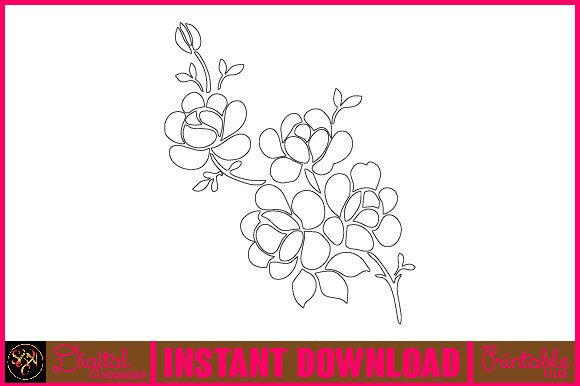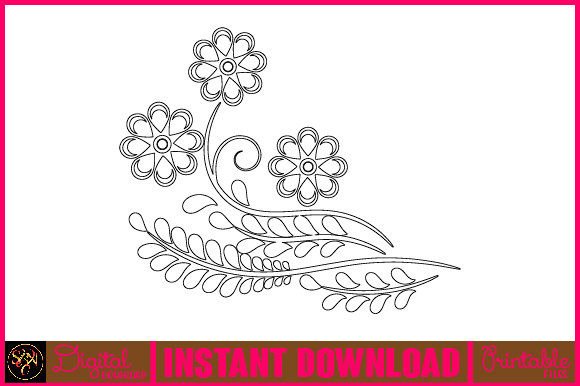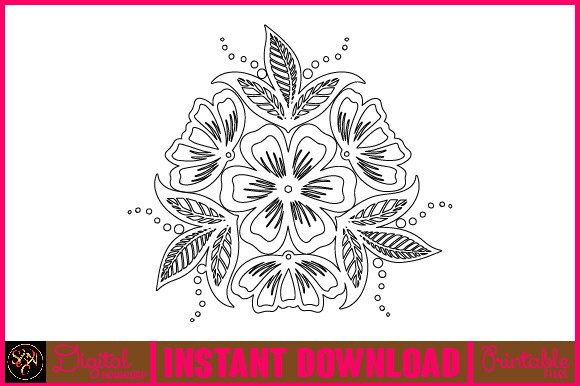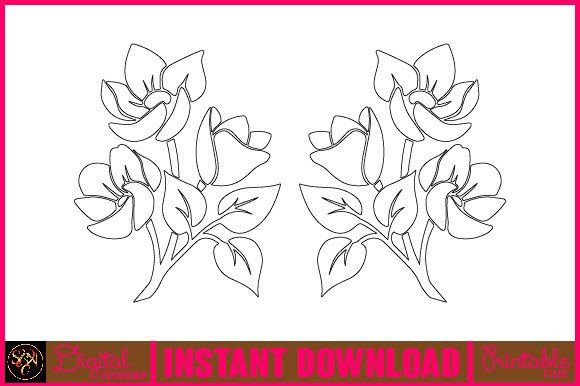
Floral Line Art Flower SVG Elements 72: Graphics & Illustrations
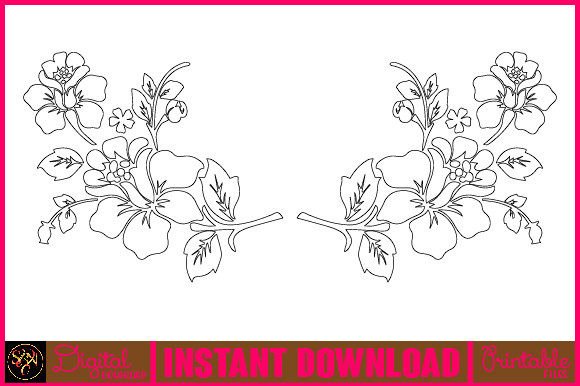
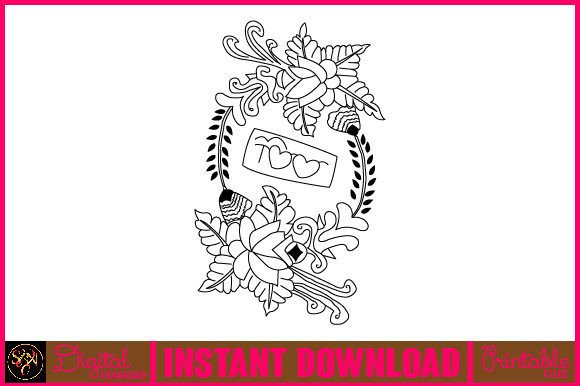
As a graphic designer who’s built brand identities for handmade businesses, seasonal Etsy launches, and local boutique packaging over the past 12 years, I opened Floral Line Art Flower SVG Elements 72 expecting delicate botanical energy — and got exactly that. This isn’t generic clipart. It’s a cohesive, hand-drawn collection where each element breathes with organic rhythm: slender branches curling into wreaths, asymmetrical leaf clusters, calligraphic stems, and loose floral sketches that feel like they were inked on tracing paper in a sunlit studio.
The mood is soft but intentional — warm, artisanal, quietly confident. It leans into romantic minimalism without sacrificing character, making it ideal for clients launching a small-batch candle line, a spring wedding stationery suite, or an herbal tea brand rooted in botanical storytelling. It doesn’t shout; it invites. That subtlety is its strength — and its limitation.
Where This Graphic Design Asset Earns Its Place in Real Client Work
In my recent project for a Portland-based apothecary brand, we needed visual language that felt grounded in nature but refined enough for premium shelf presence. Floral Line Art Flower SVG Elements 72 became our secret weapon across touchpoints:
- Packaging design: A single wreath element wraps elegantly around product labels — scalable to 2" diameter without losing line integrity. The SVG vector format held crispness at any size, even when printed on kraft paper with soy-based ink.
- Social media graphics: Used as subtle background texture behind product mockups on Instagram and Pinterest. At 15% opacity, it added depth without competing with copy or product photography.
- Printable design & editorial assets: Integrated into a seasonal lookbook as decorative dividers and chapter headers. Paired beautifully with serif typography (e.g., Playfair Display) and soft neutral palettes.
- Cricut project & sublimation design: Clean vector paths cut flawlessly on vinyl and transferred crisply onto ceramic mugs and cotton tote bags — no pixelation, no jagged edges.
- Canva template & digital product: Bundled into a branded content kit for the client’s email newsletter — reusable, editable, and instantly recognizable as part of their visual voice.
It shines brightest in large layout areas — hero banners, wall art prints, poster backgrounds, and packaging accents — where its hand-drawn authenticity adds warmth and human scale. As a supporting brand element, it reinforces emotional appeal without undermining visual hierarchy.
Where to Use Floral Line Art Flower SVG Elements 72 With Intention
This isn’t a one-size-fits-all illustration. Its charm lives in contrast and context. Use it carefully in:
- Small sizes: Below 0.5" height, fine details (like thin stem lines or delicate leaf veins) begin to blur — test at actual output size before finalizing sticker design or app icon use.
- Crowded layouts: Avoid stacking it with dense text blocks or multiple competing patterns. Its gentle rhythm gets lost if overwhelmed.
- Low-contrast environments: On light gray or beige backgrounds, some thinner strokes fade. Always check contrast against your final substrate — especially for print-on-demand products.
- Minimalist or corporate branding: It won’t align with tech startups or law firms seeking stark, geometric clarity. This is handmade business territory — not boardroom-ready.
Designer Notes You Can’t Skip Before Client Deployment
Before dropping Floral Line Art Flower SVG Elements 72 into a live project, I run these checks — every time:
- Test in black and white: Confirm line weight holds up without color support — essential for embroidery, foil stamping, or monochrome print runs.
- Preview on both light and dark backgrounds: Some elements include subtle gradients or faint shading — verify transparency works cleanly in PNG files, and SVG paths render consistently across browsers and design apps.
- Scale it down AND up: Zoom to 25% and 400% in Illustrator or Figma. Look for unintended overlaps, stray anchor points, or inconsistent stroke widths.
- Place on real mockups: Drop it into a product mockup (e.g., a matte-finish greeting card or linen tea box) — screen previews lie. Texture and lighting change how line art reads.
- Verify commercial license terms: Confirm it permits resale in end products (e.g., Etsy printables, POD mugs) and covers client usage — never assume “personal use only” extends to your freelance work.
- Type pairing test: Try it beside serif (Merriweather), sans serif (Montserrat), script (Dancing Script), and display fonts (Cinzel). It harmonizes best with organic, slightly irregular type — avoid ultra-tight, high-contrast sans serifs that clash tonally.
Why This Design Bundle Fits the Creative Marketplace — and Your Workflow
Floral Line Art Flower SVG Elements 72 isn’t flashy — and that’s why it works. In an era of oversaturated design assets, its restraint makes it versatile. It supports brand consistency without dictating it. As a graphic design asset, it elevates rather than dominates. For digital sellers building Canva templates, crafters prepping Cricut projects, or marketers designing seasonal campaign visuals, it delivers professional polish without requiring advanced illustration skills.
It bridges the gap between handcrafted authenticity and commercial readiness — a rare balance in today’s creative marketplace. When paired thoughtfully, it strengthens visual trust, deepens audience engagement, and quietly signals care in execution. That’s not just decoration. That’s strategic design.