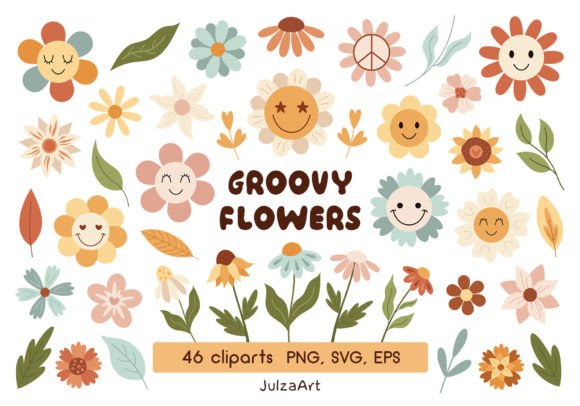
Retro Flower Clipart, Groovy Flower SVG
As a designer who’s stitched over 300 client projects—from boutique baby onesies to limited-run embroidered aprons—I opened Retro Flower Clipart, Groovy Flower SVG expecting charm. What I found was something more useful: a quietly confident set of retro floral graphics that lands just right between nostalgic and wearable.
I tested it on a custom embroidered canvas tote for a local nursery shop—soft cotton twill, medium-weight stabilizer, standard 4-inch hoop. The moment the needle dropped, the design’s rhythm clicked: bold outlines, open negative space, and petals with gentle curvature—not too fussy, not too flat. It didn’t fight the fabric. It settled in.
First Impressions: Warm, Clear, and Uncluttered
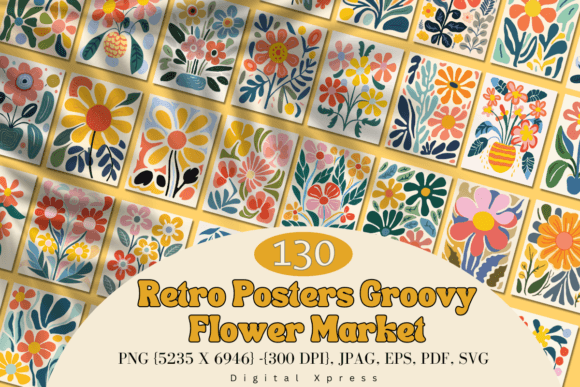
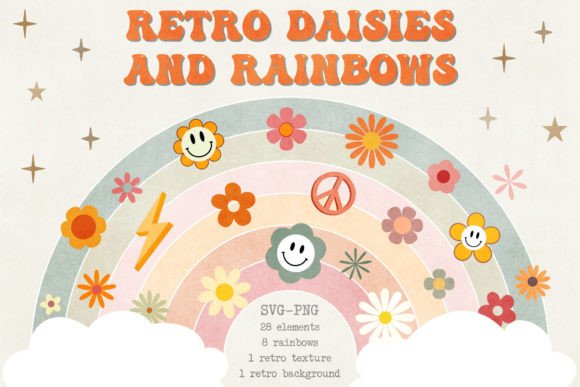
This isn’t maximalist florals. These groovy flowers breathe. Each bloom has clean silhouette definition, subtle leaf variations, and intentional spacing—no overlapping stems or tangled vines. That matters. In embroidery, tight clusters become dense stitch zones that pucker thin fabrics or blur on stretchy knits. Here, the layout gives thread room to land cleanly. The retro vibe reads instantly—think late-60s botanical postcards—but without dated kitsch. It feels handmade, not AI-generated.
The set works because it’s designed *for use*, not just display. As Illustrations, they’re built with vector clarity; as Graphics, they scale without jagged edges. That translates directly to cleaner satin stitch edges and smoother fill transitions when converted to an embroidery file.
Where It Shines (and Where to Pause)
Shines on:
- Custom apparel—especially sweatshirt embroidery and relaxed-fit tees. The flower’s moderate size and open center hold up beautifully at 3–4 inches wide, even on textured fleece.
- Baby embroidery—on onesies, burp cloths, and crib banners. Soft curves read well at small scale, and the friendly shape invites tactile engagement (parents notice that).
- Embroidered patch production. Clean outer lines mean crisp heat-applied or sew-on edges. No micro-details to fray or vanish after washing.
- Tote bag design and kitchen towels. The balanced weight distribution prevents hooping distortion, and the graphic reads clearly from 3 feet away—key for shop displays and craft fair booths.
- Holiday embroidery and personalized gifts. Paired with simple script lettering, it adds warmth without overwhelming—ideal for baby shower favors or birthday decor.
Use carefully on:
- Curved surfaces like caps or beanies—test placement first. The central bloom works well centered above the visor, but side panels may need slight simplification.
- Thin or sheer fabrics—like lightweight cotton voile. The design’s openness helps, but always pair with tear-away + cut-away stabilizer combo to prevent show-through.
- Dark fabric—especially black or navy. Some lighter thread colors (pale yellow, mint) lose contrast. Stick to high-value threads (ivory, coral, mustard) or add a white underlay.
- Dense stitch areas—avoid stacking multiple blooms tightly unless you’ve verified stitch density. Overcrowding risks thread breakage and long run times.
Real Impact on Your Finished Product
When your customer sees this on a handmade product, they don’t see “clipart.” They see intention. That matters—for Etsy sellers listing nursery prints or small shop owners branding tea towels. Retro Flower Clipart, Groovy Flower SVG elevates perceived value because it looks curated, not copied. It supports brand consistency without demanding rigid color palettes—swap thread colors to match seasonal launches or boutique aesthetics.
It also builds trust. Handmade presentation hinges on clarity and cohesion. A design that stitches cleanly, reads well at arm’s length, and holds up after laundering tells your buyer you care about longevity—not just first impressions. That’s why I reach for this set when building digital embroidery files for clients launching their first craft business: it’s dependable, expressive, and commercially flexible.
Practical Designer Notes Before You Stitch
You’ll want to treat Retro Flower Clipart, Groovy Flower SVG like any strong design asset—not as a plug-and-play shortcut, but as raw material to refine:
- Test on scrap fabric first, using your actual thread and stabilizer. Watch how leaves lay on brushed cotton versus smooth poplin.
- Check thread color contrast across light and dark backgrounds—not just digitally, but in real printed mockups. A soft peach petal may vanish on heather gray.
- Review stitch density if converting to an embroidery file yourself. Avoid excessive underlay on open areas—it can cause stiffness in baby items.
- Confirm hoop size compatibility. While the graphic scales well, very large versions may exceed standard 5x7 hoops—verify before digitizing.
- Inspect small details like stem tips and leaf veins. If stitching fine lines, ensure your machine handles 12–14 mm satin widths reliably.
- Test black-and-white mockups—many buyers browse in grayscale mode (especially on mobile). Does the shape still read?
- Use proper stabilizer—medium-weight cut-away for knits, tear-away for stable wovens. This set rewards good prep.
- Confirm licensing before selling finished products or bundling into digital embroidery files. Since it’s listed under Graphics, verify commercial use terms directly with the creator.
Bottom line? Retro Flower Clipart, Groovy Flower SVG earns its place in my working library—not because it’s flashy, but because it’s honest. It doesn’t pretend to be something it’s not: it’s a thoughtful, adaptable foundation for real embroidery projects. Whether you’re stitching a single personalized gift or scaling up for your craft business, it delivers clarity, character, and quiet confidence—one petal at a time.