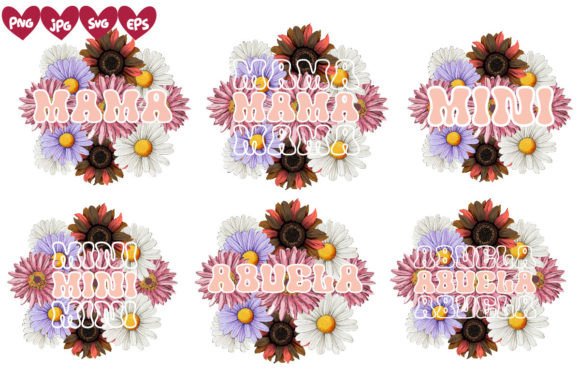
Set Design Floral Frame Monogram Graphics & Illustrations
I downloaded this asset because I’m building a new spring collection of printable wall art and Canva invitation templates for my Etsy shop. The title Set Design Floral Frame Monogram suggested exactly the kind of flexible decorative element I often layer into bundles. When I opened the folder, the first thing I noticed was the clean canvas size and the mix of vector and raster formats. This isn’t a one-click wonder asset—it’s a structural graphic that demands a bit of thoughtful placement. But for sellers who want something that feels intentional and polished, it has solid potential.
First Look at the Graphic Personality
The floral frame has a delicate, hand-drawn rhythm. The linework leans slightly botanical, with petal clusters that feel more airy than dense. I’d place it in a romantic yet modern niche—perfect for wedding suites, baby shower printables, or even lifestyle blog headers. It doesn’t scream vintage and it isn’t boho rigid; it lands in a gentle, feminine space that could sit comfortably in a minimalist branding kit or a lush garden-party invitation. Customers hunting for a soft decorative monogram frame will find the mood here. The negative space in the center is generous enough to hold a letter, a couple’s names, or a small quote without crowding the botanical edges.
What the Download Actually Includes
The product listing mentions five digital files, and the actual archive delivered four, all based on a 1920 by 1280 pixel canvas. The formats are: one AI file, one EPS file, one SVG file, and one JPG file. I would have preferred a transparent PNG over the JPG, because a high-resolution raster with alpha channel is far more useful for mockups and layering. The JPG does have a white background baked in, which limits how quickly I can drop it onto colored cardstock or dark mockup scenes. That said, the AI and EPS files open cleanly in Illustrator, with well-organized layers and no stray clipping masks. The SVG imported into Cricut Design Space without broken nodes—a big plus for craft sellers who cut vinyl or cardstock.
Testing the Vector Files for Scalable Products
I stretched the AI file to a 24×36 inch poster canvas. The curves scaled smoothly, no jagged edges or odd anchor point distortions. This is what you want for printable wall art and sublimation designs—the ability to move from a tiny tag to a large throw pillow without rebuilding the graphic. The EPS behaved identically. For commercial design work where a client might need a menu border or a loyalty card background, these vectors are ready to recolor, simplify, or combine with other assets. One quick test I always do: change the stroke weight on the floral vines. The path structure held, and the design didn’t collapse into a clumsy blob. That tells me the original creator built it with clean anchoring, not a messy auto-trace.
The SVG and Cricut Readiness
Craft sellers often lose money on designs that look pretty on screen but turn into nightmare weeding projects. I ran the SVG through a cut preview in Silhouette Studio. The petals kept enough spacing to avoid a single connected mass, but a few inner leaf intersections were tight. If you plan to sell this as part of a Cricut project or a sticker set, I’d recommend cutting a test from regular cardstock first. Adjust the design’s size—when scaled down below three inches wide, the finer tendrils become tricky to weed. For adhesive vinyl on mugs or tumblers, a width of four inches or more holds detail beautifully. This graphic isn’t ideal for tiny kiss-cut sticker sheets unless you remove the thinnest flourishes in a vector editor.
Where This Floral Frame Performs Strongest
After testing across my usual product mockups, I see clear sweet spots. The asset works best as a hero element in large-format printable designs—nursery name plaques, invitation templates, and decorative quote prints. On an Etsy thumbnail, the frame reads instantly; the combination of symmetrical botanical structure and open center creates a thumbnail that suggests a complete product even before the customer fills in the personalization. I also layered it over a linen texture and placed a serif monogram in the center. The result looked like a premium boutique wedding invitation, the kind that consistently converts in my shop at a higher price point.
For digital product bundles, the frame could anchor a cohesive look. Pair it with matching watercolor blooms, a simple leaf wreath, and a few line-art dividers, and you have a themed collection that feels curated rather than pieced together. Bloggers and Canva template sellers could also use this as a fixed decorative border for social media graphics, particularly Pinterest pins for lifestyle, motherhood, or wellness niches. The 1920 by 1280 pixel canvas is already close to the 2:3 ratio that works well for printable art, so you won’t need to do much cropping before dropping it into a listing mockup.
When to Tread Carefully
I would avoid relying on the JPG alone for products that need transparent backgrounds. A white-rectangle print of a floral frame on a kraft-paper mockup looks amateurish. The fix is simple: open the vector, delete the background, and export a PNG. However, some sellers prefer a grab-and-go workflow and might skip that step. If you’re new to digital selling and expect the JPG to be ready for a mug print or a dark t-shirt transfer, you’ll be frustrated. Also, the delicate strokes do not hold well when reduced to a small product badge or a tiny logo mark. Think carefully before placing it in a crowded thumbnail where the details compress into visual noise.
For print-on-demand products like t-shirts or tote bags, test the design on a sample first. The light, airy lines might lose contrast on a heather gray background. Adding a subtle offset outline or a gentle drop shadow inside the vector editor can save a product that otherwise looks washed out. The same caution applies for sublimation designs on mugs: the frame’s softness needs a crisp print provider to avoid blurring the fine botanical tips.
Practical Seller Workflow Before Listing
Whenever I evaluate a graphic for my shop, I run a quick checklist. Here is the exact path I followed with this asset:
- Open AI and EPS files in Illustrator—confirm layers, stroke integrity, and recolor ease.
- Resize to 24×36 inches and 8×10 inches—check for scaling artifacts.
- Import SVG into Cricut Design Space—cut a paper test at 3, 4, and 5 inches wide.
- Export a high-resolution PNG with transparency from the vector file.
- Create a listing mockup on a white background, a dark linen background, and a colored cardstock.
- Pair the frame with a script font, a serif font, and a clean sans-serif to see how monograms sit.
- Print a physical sample on matte cardstock to check color rendering and line crispness.
After running through these steps, I felt confident about where to use the frame and where to hold back. The design passed the quality tests for most printable products. The main friction point—the lack of a native PNG—is manageable with a few minutes of vector editing. If you are organizing files for a creative marketplace like Etsy or Creative Fabrica, I would recommend offering customers a pre-extracted PNG as a bonus. That small extra step increases perceived value and reduces support messages asking “why does my print have a white box?”
Matching Fonts and Styles for Cohesive Products
Because the frame already carries a soft, organic energy, it shines when paired with a light script or an elegant serif. I tested a handwritten calligraphy font for wedding monograms and a modern serif display font for a business logo mockup. Both worked without fighting the floral details. A heavy condensed sans-serif clashed, making the composition feel top-heavy. If you sell Canva templates, include font recommendations in your listing so buyers can quickly achieve a premium look. For social media graphics, a thin sans-serif placed inside the frame with generous tracking keeps the vibe airy and editorial.
Licensing and Commercial Confidence
Before selling any finished product that incorporates this graphic design asset, I checked the licensing terms. The product description invites commercial use, but it’s your responsibility to confirm whether it covers physical merchandise, digital reselling, and POD. In my own workflow, I always keep a license folder for each asset, with screenshots of the terms. This design, used as a decorative framework, falls squarely into what I consider safe for most small business products—provided you don’t resell the raw file as-is. If you plan to include it in a design bundle of your own, check if the license allows redistribution in a modified or flattened state. My rule: always add enough of your own design work—color changes, typography, additional illustrations—so the final product is unmistakably yours.
What I’m Building With It Right Now
I’m creating a mini collection of three products: a printable name frame for nurseries, an editable invitation template for bridal showers, and a set of thank-you cards with the frame as a border. All three will share this common floral element to give my shop a cohesive spring launch. The digital download folder will include a transparent PNG, a layered Canva template link, and a high-resolution JPG ready for printing. I expect the nursery frame to be the strongest seller because parents love customizable decor with soft, nature-inspired details. The frame’s gender-neutral floral style widens the audience beyond just pink-heavy themes.
For print-on-demand, I’m less certain. I might test a tote bag with the frame and a single initial, but I’ll order a sample first. If the lines don’t stay crisp on fabric, I’ll pivot the design to paper goods only. That’s the reality of selling with purchased assets: not every graphic translates perfectly to every medium, and a cautious pre-test saves reviews and returns.
Final Thoughts From a Seller’s Workbench
After a week of testing, the Set Design Floral Frame Monogram earns its place in my asset library. It’s not a fill-every-need miracle file, but for the right product types—invitations, wall art, social media templates, and printable stationery—it brings a polished, editorial softness that’s hard to find in generic clipart bundles. The mixed file formats cover most design software, and with a little care, the cut-ready SVG works for craft sellers who sell physical decals or cardstock kits. The absence of a transparent PNG is an annoyance, but not a dealbreaker. I treat it like a conversation with the asset: the vector files do the heavy lifting, and I handle the final export. For a commercial product library, this frame behaves like a reliable, reusable illustration that adapts well to collections where a natural, graceful border makes all the difference.