Floral Line Art Flower SVG Elements-1 in Practice
I downloaded Floral Line Art Flower SVG Elements-1 on a Tuesday morning with a specific project already in mind: a set of custom embroidered canvas tote bags for a small boutique client who wanted something botanical, airy, and quietly elegant. She had shown me reference photos of hand-drawn floral wreaths on Pinterest, and I needed clean line art that would read well as both a design mockup and, eventually, a stitched product. After spending real time with this set, I have thoughts worth sharing — the kind that come from imagining each petal and branch under thread, not just admiring it on a screen.
The Mood This Design Creates Before a Single Stitch
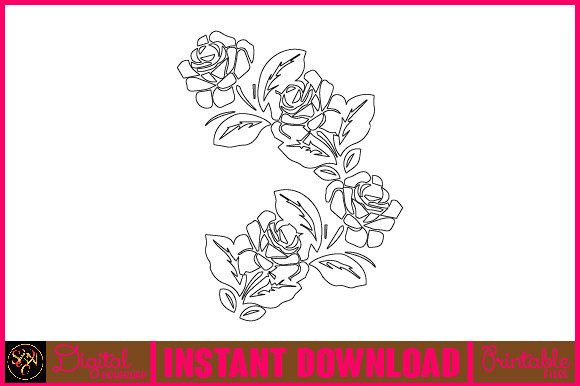
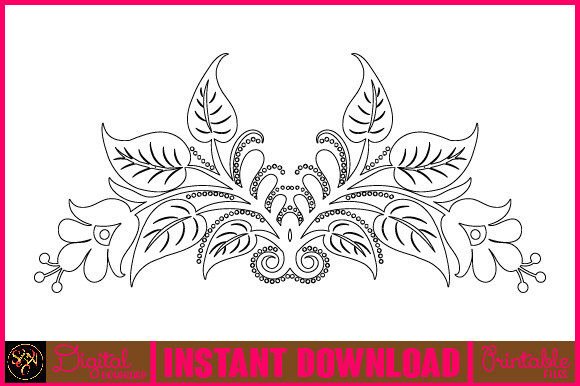
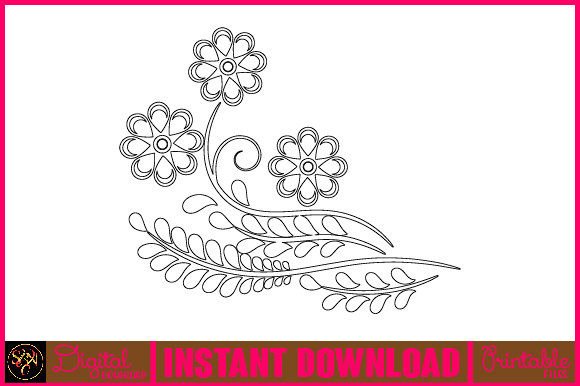
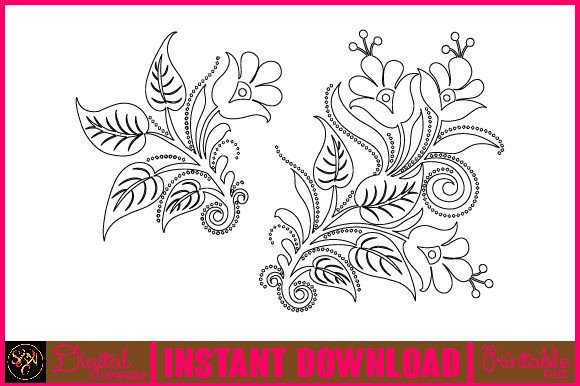
Opening the files, the first thing that caught my attention was how Floral Line Art Flower SVG Elements-1 carries a distinctly botanical sketchbook personality. The hand-drawn quality doesn't feel messy or rushed. Instead, it lands somewhere between a vintage herbarium illustration and modern calligraphic minimalism. The branch elements have a natural taper, the leaves curve with believable organic movement, and the floral wreaths avoid the rigid symmetry that makes some vector sets feel sterile. For an embroidery designer, this matters enormously. A design that already breathes on screen has a much better chance of breathing on fabric.
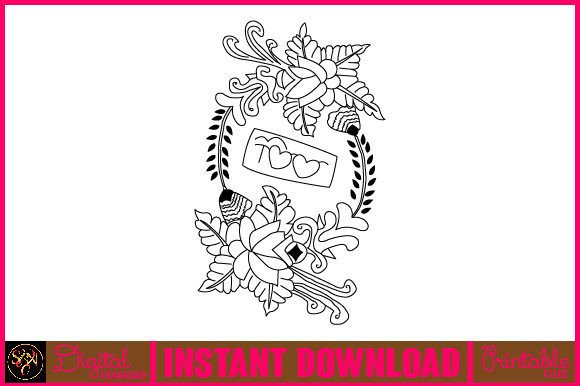
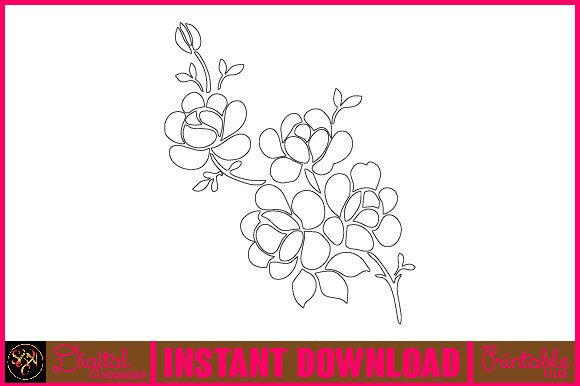
The collection includes wreaths, individual flower sketches, leaf clusters, and decorative frames — all in that consistent line art style. I found myself mentally assigning different pieces to different projects before I even finished scrolling. The smaller leaf elements felt right for collar accents and cuff details. The fuller wreaths practically begged to become center-chest placements on sweatshirts or the focal point of a quilt block.
Where Floral Line Art Flower SVG Elements-1 Truly Belongs
This isn't a design set that works everywhere, and honestly, that's a strength. It has a clear visual identity. From my experience testing Floral Line Art Flower SVG Elements-1 against real project scenarios, here's where I'd confidently use it:
- Tote bag designs: The line art translates beautifully as a single-color embroidery on medium-weight canvas. The botanical theme feels premium without trying too hard.
- Sweatshirt embroidery: A wreath from this set placed on the upper chest of a crewneck creates that effortless boutique look shoppers gravitate toward at craft fairs.
- Kitchen towels and aprons: The herb-and-branch motifs lend a culinary garden feel that suits farmhouse-style home textiles perfectly.
- Baby and nursery items: The softer floral sketches work on baby blankets, bibs, and onesies — especially when stitched in muted sage, dusty rose, or warm cream thread.
- Personalized gifts and wedding items: The decorative frames can encircle monograms or short names, making them ideal for custom handkerchiefs, ring pillows, or bridal tote bags.
- Embroidered patches: Several individual flower elements are compact enough for patch work, especially on denim jackets or canvas pouches.
- Printable mockups and digital product previews: Since the set arrives as clean vector graphics, Etsy sellers and small shop owners can use it in listing photos or branding materials before ever stitching a single sample.
The Real Test: Imagining It on a Finished Tote
Let me walk you through the tote bag project I mentioned. My client wanted a natural linen tote with a floral motif that felt hand-sketched — something that would make customers pause at her market booth. I pulled one of the larger wreath designs from Floral Line Art Flower SVG Elements-1, placed it in my embroidery software to assess scale, and immediately appreciated how the line weights varied slightly across the illustration. That variation is a gift during digitizing because it suggests natural stitch rhythm. Where the lines thicken, a slightly wider satin stitch or a denser fill stitch can add emphasis. Where they taper, a fine running stitch keeps the delicacy intact.
I chose a warm olive green thread for the sample stitch-out. On the linen fabric, the floral wreath had exactly the handmade aesthetic the client wanted. The open, airy composition meant the tote still felt lightweight visually — no heavy blocks of stitching weighing down the design. A friend who runs a small craft business saw the sample and asked if I could make six more for her shop inventory. That's the kind of reaction Floral Line Art Flower SVG Elements-1 tends to generate when it's paired with the right product.
Fabrics and Products That Demand Extra Care
Not every blank is a good match for fine line art. I learned early in my embroidery career that delicate sketches can disappear into textured fabrics or warp on stretchy material. With Floral Line Art Flower SVG Elements-1, here's where I urge caution:
- Small hoop sizes: Some of the more detailed wreaths contain thin inner lines and tiny leaf serrations. Shrinking them below four inches can cause stitch crowding and loss of clarity.
- Textured fabrics like terry cloth or heavy fleece: The fine line art can sink into the pile, making the design look faded or uneven. A water-soluble topper helps, but the crispness still won't match what you'd achieve on smooth cotton or canvas.
- Stretchy fabrics: On t-shirts or performance wear, the pull of the fabric can distort thin linework. A cut-away stabilizer is non-negotiable here, and even then, I'd stick to the simpler individual flowers rather than the full wreaths.
- Dark fabrics: Light thread on dark backgrounds can make thin lines look harsh or spidery. I'd test a medium-tone thread first — a soft gray, muted blush, or sage green often reads more naturally than pure white on black.
- Products needing frequent washing: Delicate line art stitched with fine thread can wear down faster with repeated laundering. For items like everyday kitchen towels, I'd digitize with slightly bolder outlines or choose a polyester thread with strong tensile strength.
- Curved surfaces like caps and hats: The wreath designs, in particular, have a circular composition that can distort on the curve of a baseball cap. Individual branch elements work better here, placed off-center or along the side panel.
How This Design Shapes Customer Perception
I've sold enough handmade products to know that buyers make split-second judgments based on visual appeal alone. A design that looks mass-produced or clip-art adjacent will undercut even the most carefully sewn item. Floral Line Art Flower SVG Elements-1 sidesteps that problem entirely. The hand-drawn quality signals thoughtfulness. When a customer sees a botanical wreath from this set stitched on a pillow cover or a baby blanket, they're more likely to associate it with artisan craftsmanship than factory output.
This matters for pricing, too. Products featuring original-feeling floral artwork tend to command higher perceived value at craft fairs, on Etsy, and in boutique settings. The difference between a generic flower graphic and a sketch-style botanical illustration can be the difference between a fifteen-dollar tote bag and a forty-dollar handmade gift item. I've watched it happen. The line art in this set consistently elevates the finished product.
Brand consistency is another consideration. Because Floral Line Art Flower SVG Elements-1 includes multiple coordinated elements — wreaths, frames, individual flowers, branches — a small business can build a cohesive product line around it. Matching kitchen towels and aprons, a nursery pillow cover paired with a coordinating onesie, a patch set that shares the same botanical language. Customers recognize that visual thread, and it builds trust.
Practical Notes for Embroidery Designers
Before you commit Floral Line Art Flower SVG Elements-1 to a client project or a batch of inventory, run through these steps. I do this with every new design asset, and it has saved me from costly rework more than once.
Test on scrap fabric first. Always. The same design can stitch beautifully on quilting cotton and turn into a mess on a loosely woven linen blend. Run a full test stitch-out on fabric that matches your final product as closely as possible.
Check thread color contrast. What looks balanced on screen can feel stark or washed out in thread. Test your chosen thread color against both light and dark fabric swatches. I keep a small library of stitch-out samples in neutral, white, and black backgrounds for exactly this reason.
Review stitch density carefully. Line art designs depend on clean, well-paced stitches. Too dense, and the fine branches start to feel bulky and stiff. Too sparse, and the design loses definition. If you're digitizing from these SVG elements, pay close attention to the transition points where stems meet leaves and petals overlap.
Confirm hoop size before you start. Some of the larger wreaths in this set need a generous embroidery field. Measure your intended placement area, account for hooping margins, and choose an element that fits comfortably without forcing you to shrink the design beyond its detail threshold.
Inspect small details in black and white. A quick grayscale preview reveals whether thin lines will hold up as individual stitches or blend into noise. If a detail disappears in grayscale, it probably won't read clearly in thread either.
Use proper stabilizer. For line art embroidery, I default to a medium-weight cut-away stabilizer on apparel and a tear-away on structured bags or flat canvas. The right stabilizer keeps those fine botanical lines crisp through the stitching process and beyond.
Check licensing before selling. This is crucial. Before you stitch Floral Line Art Flower SVG Elements-1 onto products for sale — whether physical finished goods or digital embroidery file conversions — confirm the license terms that came with the set. Graphics and illustrations can have different usage rights than pre-digitized embroidery designs. A quick license check protects your business.
Is This the Right Addition to Your Design Library
After working with Floral Line Art Flower SVG Elements-1 across several mockups and a handful of physical stitch-outs, I can say it fills a specific and valuable niche. It's not a catch-all solution for every embroidery project — the distinctly botanical, sketch-style personality means it thrives in natural, romantic, garden-inspired, and minimalist contexts. If your product line leans toward modern farmhouse, botanical boutique, bridal accessories, nursery decor, or elevated everyday carry items, this set fits like it was made for you.
The hand-drawn floral wreaths and calligraphic frames give you flexibility without sacrificing cohesion. The branch elements and individual flower sketches let you scale down for smaller placements — think collar tips, pocket corners, or cap side panels — while the fuller wreaths anchor larger pieces like tote bags, sweatshirts, and pillow covers. That range makes Floral Line Art Flower SVG Elements-1 genuinely useful for a craft business that wants to offer variety without chasing a dozen different design styles.
For Etsy sellers building a cohesive shop aesthetic, for handmade business owners preparing inventory for the next market season, or for embroidery hobbyists who appreciate the difference between generic clip art and thoughtfully drawn botanical illustrations, this one earns its place in the design folder. Just remember to test, stabilize properly, and match the element to the product. When you do, the finished embroidery has a quiet, confident beauty that customers recognize — and that's the kind of product they come back for.