Floral Line Art Flower SVG Elements 54
A Designer’s First Look: Delicate, Not Dainty
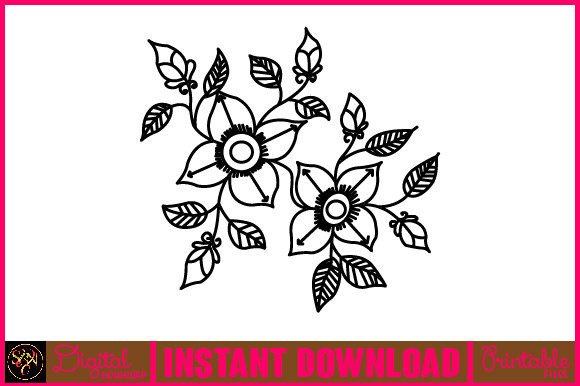
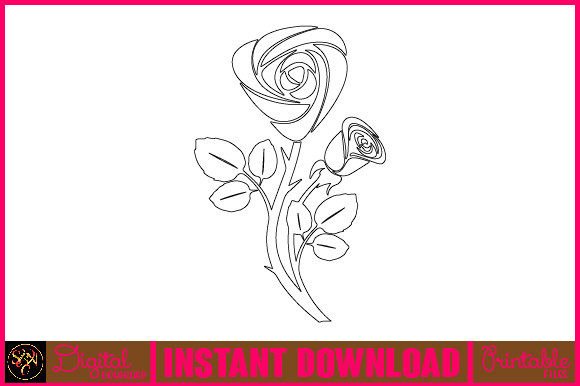
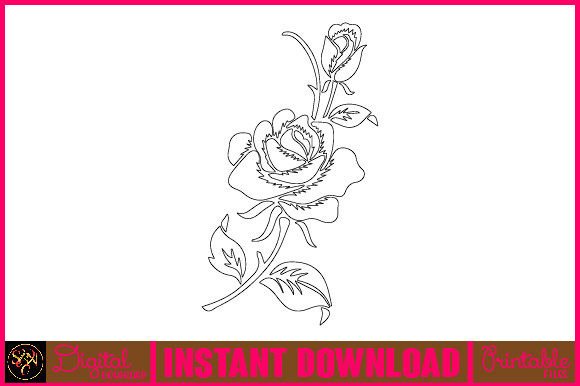
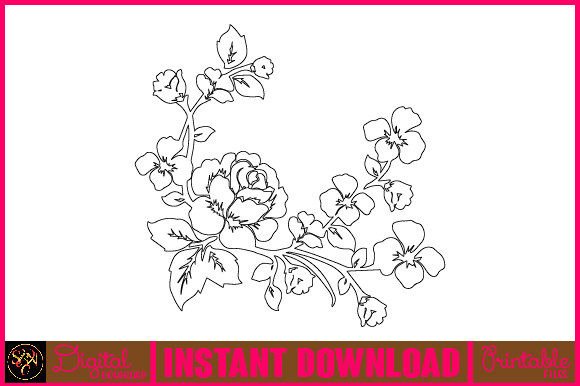
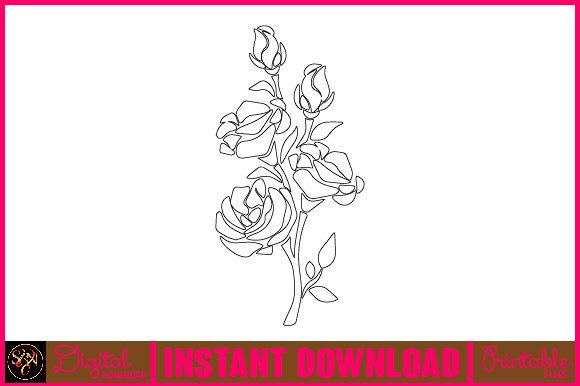
When Floral Line Art Flower SVG Elements 54 landed in my inbox—labeled as a freebie under Graphics—I opened it expecting light botanical charm. What I found was something more intentional: a cohesive set of hand-drawn floral line art with subtle weight variation, clear branch structure, and thoughtful negative space. It doesn’t shout. It breathes. That’s its strength—and its first real test in embroidery.
Real-World Use Case: A Linen Tote Bag for a Local Boutique
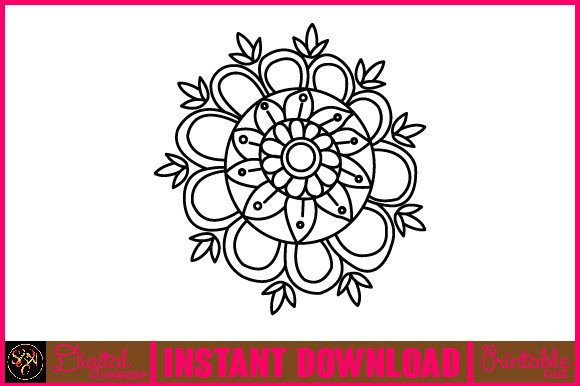
Last week, I prepped a custom embroidered linen tote for a small-town apothecary. They wanted “botanical but not busy”—something that felt handmade, not mass-produced. I pulled Floral Line Art Flower SVG Elements 54 and used three elements: a central wreath frame, a trailing branch motif, and two isolated blossoms as corner accents. The result? Clean, legible stitching at 3.5" wide—even on medium-weight linen with minimal stabilizer. Customers noticed the quiet confidence in the lines—not overworked, not thin to the point of fragility. That’s rare in free design assets.
Where This Design Truly Shines
- Custom apparel like sweatshirts and lightweight tees—its open line work avoids heavy fill stitch buildup and holds up beautifully on knit fabrics when digitized with balanced running and satin stitch transitions.
- Embroidered patches and iron-ons—clean outlines mean crisp edges after cutting, and the consistent stroke weight prevents fraying or “bleeding” in dense thread areas.
- Baby embroidery and nursery decor—soft curves and no sharp angles make it feel gentle and age-appropriate without looking juvenile.
- Holiday embroidery and wedding gifts—swap thread colors (ivory on charcoal, sage on cream) and it reads as timeless, not seasonal.
- Etsy listings and craft fair products—the hand-drawn authenticity translates well in printable mockups and builds trust with buyers who value intentional design over clipart clutter.
Where Caution Is Needed
This isn’t a one-size-fits-all embroidery file. Its elegance depends on context:
- Small hoop sizes (<4") demand selective use—zoom in on any single blossom, and you’ll see fine interior linework that may collapse below 2.2". Stick to simplified arrangements or isolate just the branch stem for tiny placements.
- Textured or stretchy fabric (terry cloth, ribbed knits, jersey) needs extra stabilizer support—those delicate lines won’t float cleanly without firm backing.
- Dark fabric requires high-contrast thread; avoid pale pastels unless you’re willing to double-stitch for opacity. Test black thread on navy—it reads richer than expected.
- Curved surfaces like caps or curved pillow covers need careful placement—avoid wrapping the wreath frame fully around a curve; instead, anchor one side and let the branch trail naturally.
- Frequent-wash items (kitchen towels, baby bibs) benefit from slightly increased stitch density in key junctions—especially where stems meet leaves—to prevent wear over time.
What It Adds to Your Finished Product
Floral Line Art Flower SVG Elements 54 elevates perception—not just aesthetics. When stitched onto a cotton apron for a baking studio, it didn’t just say “floral.” It said “crafted with care.” That subtlety builds customer trust faster than bold, saturated designs. Buyers recognize intentionality: the spacing between petals, the taper of each stem, the way calligraphic flourishes echo natural growth patterns. It supports brand consistency for small shops that lean into artisanal storytelling—without requiring custom illustration.
For Etsy sellers, this set adds versatility: use one element as a standalone monogram accent, layer three for a boutique-style tea towel set, or combine with simple typography for personalized holiday embroidery. It’s flexible enough for digital product previews yet grounded enough to hold up in physical handmade product photography.
Practical Embroidery Designer Notes
- Always test Floral Line Art Flower SVG Elements 54 on scrap fabric matching your final project’s weight and weave.
- Check thread color contrast early—especially if using light thread on dark fabric or vice versa.
- Review stitch density in branching junctions; some hand-drawn elements digitize with tighter overlaps that may need slight manual cleanup.
- Confirm hoop size compatibility before digitizing—some wreath layouts assume a 5"x7" minimum.
- Inspect small details at actual stitch scale: zoom in on your embroidery software to verify leaf tips and petal ends won’t vanish in thread.
- Test black-and-white mockups—this design relies on line integrity, not color, so grayscale previews reveal clarity issues fast.
- Compare performance on light vs. dark backgrounds—what reads as airy on ivory may disappear on charcoal without thread adjustment.
- Use tear-away + cut-away stabilizer combo for structured fabrics; lightweight fusible for knits.
- Verify licensing before selling finished items—if labeled as Freebies, confirm commercial use rights for your craft business or small shop product.
Final Thought: A Quiet Asset, Not a Flashy Gimmick
As someone who’s digitized hundreds of embroidery files—from intricate applique designs to minimalist monograms—I keep returning to Floral Line Art Flower SVG Elements 54 not because it’s flashy, but because it’s reliable. It doesn’t fight the fabric. It doesn’t overwhelm the garment. It serves the product, not the trend. Whether you’re stitching a personalized gift, building an Etsy collection, or branding a local boutique line, this set earns its place—not as filler, but as foundation.