Floral Line Art Flower SVG Graphics and Illustrations Review
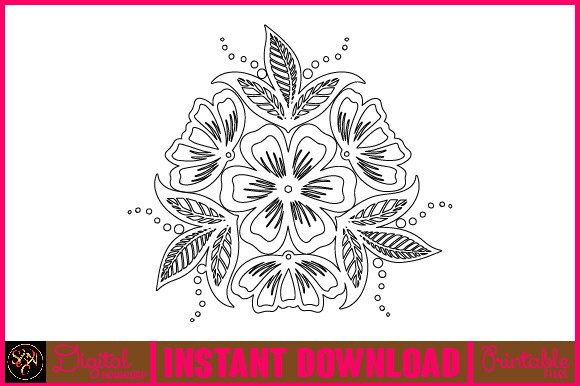
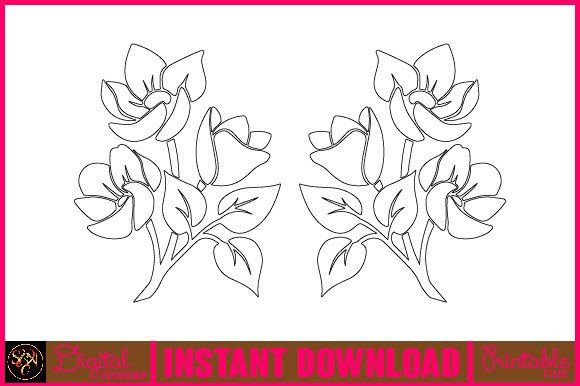
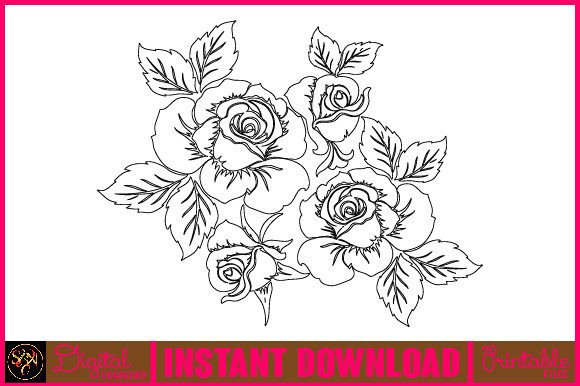
When I first opened Floral Line Art Flower SVG Elements-4, I felt that rare sense of editorial calm that comes from a design asset that already understands its place in a real content publishing workflow. The collection is built around hand-drawn botanical line art — delicate floral wreaths, branch silhouettes, sketchy leaves, and softly calligraphic framing elements that carry a refined, feminine, and nature-inspired mood. This is not overly ornamental clip art. It’s the kind of graphic design asset I’d reach for when a blog post, newsletter header, or digital product needs to feel airy, organic, and carefully composed without shouting for attention. For content creators, publishers, and brand designers, that first visual whisper matters because it immediately signals editorial intention and taste to the reader.
The style sits comfortably between modern minimalism and romantic botanical illustration. The hand-drawn flowers sketches, plants, and leaves feel personal rather than manufactured, which makes them especially useful for lifestyle blogs, wellness platforms, wedding content, slow living editorial, art and craft sites, or any niche where trust and warmth play a role in audience connection. The thin, consistent line weights and the delicate botanical leaf decorative floral accents give the entire set a clean, almost architectural precision. This is important when you consider how these elements will appear across blogs, media kits, and downloadable resources — a busy or poorly drawn floral element can cheapen a layout instantly, while this one elevates with restraint.
What Floral Line Art Flower SVG Elements-4 Brings to Editorial Storytelling
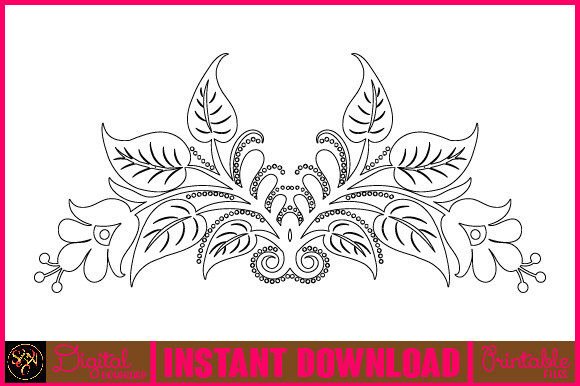
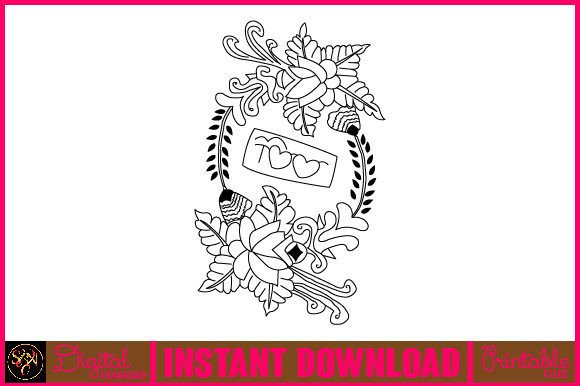
In my years of designing for content-driven websites, I’ve learned that the difference between a graphic that supports an article and one that distracts from it often comes down to line quality and composition flexibility. Floral Line Art Flower SVG Elements-4 provides both. The SVG format means every petal, leaf, and botanical frame can be resized without degradation, recolored to match exact brand palettes, or split apart for customized headers. The set includes hand drawn floral wreaths that frame text gracefully, branch elements that add organic movement to a hero image, and calligraphic-inspired swashes that border quotes or pullout sections. For an affiliate marketer or online educator building a content upgrade, the ability to layer these into a Canva template or a digital guide cover and maintain crispness at any resolution is a non-negotiable — and this asset delivers.
Mood-wise, the collection creates an immediate sense of soft authority. It communicates that the content behind the visual is thoughtful, curated, and probably female-forward or nature-aware, though it’s flexible enough to support neutral branding when paired with strong typography. I tested it as a replacement for a standard stock photo on a recipe blog’s category page, and the switch shifted the entire feel from generic food blog to an editorial lifestyle destination. That kind of perceptual shift is what makes a well-chosen illustration asset worth far more than its price tag.
From Blog Graphics to Printable Design: Real Use Cases That Work
This is not a decorative afterthought — it’s a workhorse for content marketing. Here’s exactly how I’d deploy Floral Line Art Flower SVG Elements-4 across real publishing projects:
- Blog featured images – combine a flower wreath with a minimalist background and a strong serif headline for an instantly polished article hero.
- Pinterest pins – the hand-drawn quality stands out in the feed. Pins with botanical line art often outperform plain text pins because they feel more curated and design-forward.
- Newsletter headers – a single branch or floral frame around your newsletter’s title builds brand recognition and visual consistency across every email.
- Digital guide and lead magnet covers – layer the botanical elements behind your workbook title to give a freebie the production value of a paid product.
- Category thumbnails – using a consistent floral motif on blog category pages helps readers navigate visually, improving site engagement and dwell time.
- Canva template design – whether you’re selling templates or creating internal social media graphics, these SVGs import perfectly and retain full editability.
- Affiliate content visuals – product roundups, resource pages, and recommendation lists instantly look more authoritative and cohesive with subtle decorative accents.
- Media kits and brand decks – the elements add a personal, crafted touch to otherwise stark business documents, which is especially valuable for small business branding.
In every one of these use cases, the asset improves visual hierarchy — guiding the eye first to the headline, then to the supporting illustration, then to the body text. The clean lines prevent the design from feeling cluttered, which is critical for mobile readers who scan quickly.
Where the Hand-Drawn Botanicals Truly Excel
After testing Floral Line Art Flower SVG Elements-4 inside actual blog layouts and on a staging site, I can confidently say it shines brightest as a hero image element or a framing device. When placed as a semi-circle wreath above a sans-serif heading, the combination created an inviting editorial look reminiscent of high-end stationery brands. As an accent in downloadable printables — like a habit tracker or a meditation worksheet — the delicate plant sketches added just enough visual interest to make the page feel designed, not sterile.
The assets also perform beautifully in social media previews. When I set a rustic floral branch to the side of a quote graphic, the pin preview thumbnails looked significantly more clickable than text-only versions. This is the power of a graphic design asset that understands visual hierarchy and white space — it doesn’t demand attention, but it rewards it.
For websites that rely on category recognition and brand identity, repeating a consistent botanical leaf decorative floral element across thumbnails or section dividers subtly unifies the content catalog. Readers may not consciously notice, but they’ll register the site as organized and professional, which directly supports reader trust and content credibility.
Areas Where You Should Use the Graphics Carefully
No design asset is a one-size-fits-all solution, and Floral Line Art Flower SVG Elements-4 has its boundaries. First, the fine line detail, while elegant, can get lost at very small mobile thumbnail sizes. A tiny pin preview might turn an intricate wreath into a faint smudge if not simplified. I recommend testing it at 150×150 pixels before committing to a thumbnail strategy.
Second, the distinctly organic and feminine mood of the sketches won’t suit every niche. For corporate, legal, or industrial blogs with a more neutral or masculine brand voice, these graphics might feel discordant. They also demand generous white space. Placing them on a busy, low-contrast background or layering them over a text-heavy image muddies readability and defeats their purpose. Always pair these elements with clean, open layouts and fonts that enhance rather than compete.
Practical Publisher Notes for Seamless Integration
Before you download Floral Line Art Flower SVG Elements-4 and slot it into your content production queue, here’s the checklist I follow to ensure these design assets perform in the real world:
- Test on desktop and mobile screens. That graceful floral wreath must still breathe on a 375px-wide mobile layout. Resize your browser aggressively and watch for line break distortion.
- Preview as a thumbnail. Reduce the graphic to 200×200 pixels and check if the botanical details remain recognizable. If not, consider scaling up the key element or simplifying your composition.
- Drop it into a real blog layout. Use a staging post to see how the element sits with your chosen font, column width, and background color. It should feel native, not pasted in.
- Test with headline text. Overlay your most common heading styles — serif, sans serif, script, handwritten, and display — to ensure contrast and readability. The floral line art should frame, not obscure.
- Experiment in black and white. Not every print layout or low-ink printable will support color. The beauty of these sketches is their structure, so a monochrome test often reveals surprisingly strong design assets for digital products.
- Review file size for web performance. SVG files are typically lightweight, but if you export them as PNG for a website header or social media graphic, compress appropriately. Every kilobyte matters for Core Web Vitals.
- Confirm commercial licensing. Before using Floral Line Art Flower SVG Elements-4 on monetized websites, paid content products, or affiliate pages, always read the license terms. Most creative market assets allow commercial use, but restrictions can vary.
The Link Between Editorial Design and Reader Action
Content publishers often underestimate how much visual quality influences click-through potential and time-on-page. A visitor who lands on a blog post and sees a beautifully composed header with thoughtful floral line art framing a clear title receives an immediate signal: this article was crafted with care. That perception transfers to the content itself, boosting reader trust and the likelihood of email sign-ups, affiliate clicks, or product purchases.
From a content marketing perspective, integrating a consistent botanical visual across blog graphics, social media graphics, and digital products creates a cohesive commercial design language. I’ve used similar botanical sets in the past for a small business branding project, and the visual identity was so strong that readers began recognizing the client’s pins before even reading the headline. That is brand identity gold — and it often starts with a single set of well-chosen design assets.
Floral Line Art Flower SVG Elements-4 also supports the growing trend of printable design and low-content digital products. As more bloggers create downloadable resources — recipe cards, plant care guides, journal pages — the need for commercially safe, scalable illustration elements increases. This collection fits that space perfectly, blending hand-drawn charm with the crisp reproducibility that digital downloads demand.
Final Thoughts from a Publishing Workflow Perspective
When I evaluate a creative design asset for my own content production or client projects, I ask one question: can it make a typical blog post feel like a destination? Floral Line Art Flower SVG Elements-4 passes that test. The hand drawn flower illustration, branch sketches, and botanical leaf decorative floral compositions are more than decoration — they’re tools for visual storytelling that respect the editorial rhythm of a real website.
For bloggers, newsletter creators, online course builders, and affiliate marketers who need their content to look polished without hiring a custom illustrator, this graphic design asset offers both speed and sophistication. It works in Canva, integrates into digital product workflows, and lifts the perceived value of content across every publishing channel. Just remember to test across screen sizes, keep your layouts clean, and pair the artwork with fonts that complement its refined aesthetic. In the right hands, Floral Line Art Flower SVG Elements-4 can help transform an ordinary blog into a visually cohesive, trust-building brand experience.