Set Monogram Floral Vector Review for Embroidery
First Impression: A Delicate Frame Waiting for a Story
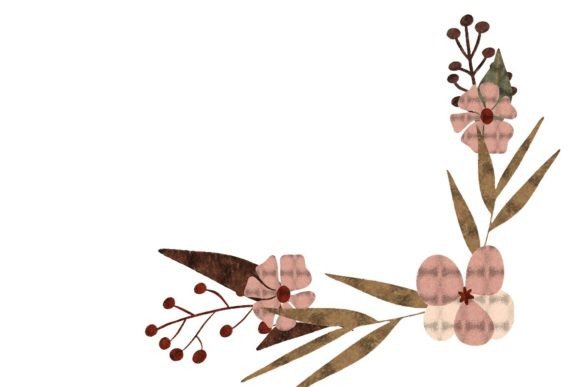
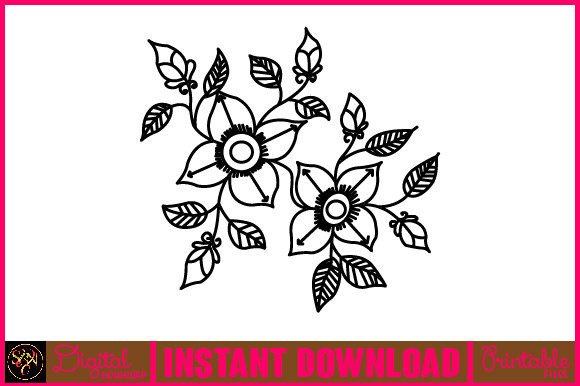
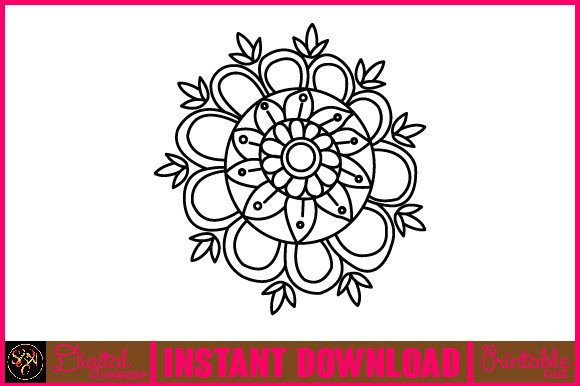
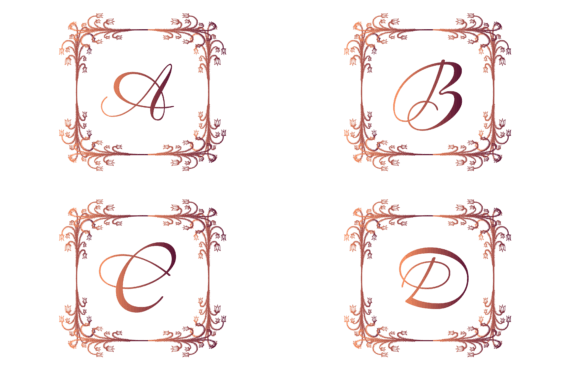
Unzipping the Set Monogram Floral Vector folder feels like discovering a versatile greeting card that hasn’t been written yet. It’s not a finished embroidery stitch file—and that’s the first thing a working designer needs to appreciate. What you get is a crisp, elegant monogram frame built from layered botanical elements, delivered as a high-quality digital illustration. The canvas is a generous 1920px by 1280px, giving you plenty of room to scale and inspect every leaf curve and petal edge before you even think about embroidery software. Inside, you’ll find one AI file, one EPS file, one SVG file, and a JPG preview. That SVG alone makes many digitizing workflows faster, because you can import it directly into programs that accept vector paths.
My immediate mood reaction was quietly romantic. The floral arrangement curves around a central monogram space without shouting. It’s ornate enough to feel special, yet the lines aren’t so dense that you worry about muddiness when this eventually becomes a stitch-filled design. The shape feels intentional for personalized gifts, wedding keepsakes, or boutique baby items—projects where someone’s initials become the focal point. Even as a flat graphic, Set Monogram Floral Vector holds a hand-drawn charm that will translate beautifully into thread, provided you digitize with care.
Visual Weight That Suits Real Fabric, Not Just Screens
As an embroidery reviewer, I don’t just look at a picture. I mentally run it through three filters: stitchability, customer appeal, and fabric behavior. The monogram frame has evenly distributed floral clusters with gentle tapering. This means a digitizer can assign satin stitches to the main leaf outlines and lighter fill stitches to inner petal details without creating bulky overlaps. The central negative space is generous, so a bold letterform won’t fight the surrounding blooms. I can already see this as a tote bag design with a single oversized initial in the middle, stitched on cotton canvas with a tonal sage green and blush palette. The mood stays soft but structured—exactly what boutique craft fair shoppers gravitate toward.
For apparel decorators thinking about sweatshirt embroidery, the rounded composition matters. It won’t box itself into a rigid rectangle on the chest; it breathes like a wreath. That organic outline forgives slight placement shifts and hugs the body more naturally than a squared-off crest. I’d test this first on a light French terry sweatshirt, using a cutaway stabilizer to prevent distortion. The floral vectors aren’t overly intricate at the edges, which reduces the risk of tiny satin columns collapsing on textured fabric.
Where the Set Monogram Floral Vector Shines Brightest
After studying the linework, I’d confidently place this in four high-impact categories for a craft business:
- Personalized wedding gifts: linen ring bearer pillows, embroidered handkerchiefs, or bridal robe monograms. The floral frame feels heirloom without being fragile.
- Baby boutique products: a soft pink or sage version on muslin blankets, bibs, or nursery pillow covers. The symmetry is calming, not busy.
- Everyday luxury totes: a single monogram on a canvas tote with minimal branding. This design instantly elevates a blank bag to an upscale gift.
- Holiday embroidery projects: imagine gold thread on a velvet stocking or a deep green apron. The floral structure adapts to seasonal colors seamlessly.
What makes this vector set particularly valuable for Etsy sellers and handmade shop owners is that it comes as a freebie. That’s not a compromise on quality—it’s a smart resource for building product mockups, creating listing images, or testing digitizing skills without financial pressure. You can use the JPG to place a realistic preview on your product photos before committing to the embroidery. The SVG is clean enough to use in printable designs too, which opens up a dual stream: stitch it for physical products or offer it as a digital design element for other crafters.
Real Use Case: The Custom Linen Apron Project
I recently digitized a similar floral monogram for a client who wanted a minimalist kitchen apron with a personal touch. Let me walk through how Set Monogram Floral Vector would have fit that exact brief—and where I’d pause before hitting “stitch.” The client needed a design that felt organic, not stiff, on textured linen. I opened the SVG in my digitizing software and immediately appreciated how clean the nodes were. No jagged lines, no unnecessary anchor points. That matters because every extra node you have to smooth out adds time, and time is inventory.
I scaled the frame to fit a 130mm x 180mm hoop area, then placed the monogram letter “E” in the center using the font I’d already matched to the floral weight. The digitizing process took about forty minutes, mostly spent deciding stitch types. The outer leaf outlines became a 3mm satin stitch with a slight pulled compensation to prevent gaps on the linen weave. The inner flower centers received a textured fill stitch—keeping the density moderate so the apron fabric wouldn’t buckle. I used a medium-weight tear-away stabilizer, hooped with the fabric floating slightly to preserve the linen’s natural slubs.
On the first test stitch, the small connecting vines between flowers were almost too delicate. That’s a detail I’d flag to anyone using this set for embroidery: the thin stems that look beautiful in vector form need thoughtful digitizing. A simple running stitch with a slight increase in stitch length worked well, but using a heavier thread or a dense fabric would have demanded a heavier stem outline. The lesson: always test on scrap fabric that matches your final product’s texture. The design’s beauty is intact, but the digitizer’s hand is what keeps it from disappearing into the weave.
Practical Embroidery Designer Notes Before You Begin
I keep a checklist for any vector I’m about to turn into stitches. Here’s what I’d run through with Set Monogram Floral Vector—and I recommend you do the same:
- Test stitch on a fabric swatch that represents the final product. Don’t judge the file on a perfectly flat quilting cotton if your customer wants a plush hoodie.
- Check thread color contrast in natural light. The design’s soft floral personality can wash out if you use pastel thread on a pale background. A quick JPG mockup helps, but thread has sheen; your eye needs to see it under real lighting.
- Review stitch density after conversion. The original vector has gentle curves, but automatic digitizing software may default to densities that are too high. Reduce overall density by 10-15% on fluffy fabrics.
- Confirm hoop size early. The design’s wreath shape can look small inside a large hoop if you’re not intentional. Measure the monogram area after scaling—the monogram should read clearly from a short distance.
- Inspect small details in black and white mockups. Convert your JPG to grayscale to see if the floral elements lose contrast. If they blend into one gray mass, adjust your stitch angles or thread shades.
- Always use the right stabilizer for the fabric. For stretchy knit sweatshirts, a cutaway stabilizer is non-negotiable. For woven tote bags, a tear-away can work, but I prefer a fusible polymesh for stability without adding bulk.
- Understand that this is a vector graphic, not an embroidery file. You are licensing the digital artwork for use in your projects. That means you’ll need digitizing software or a professional digitizer. Similarly, confirm whether your intended use—personal gifts, small shop merchandise, or commercial embroidery sales—aligns with the designer’s usage terms. The product page states it’s a freebie graphic, which usually implies generous personal and small-business use, but I always recommend a quick double-check.
Where to Use Caution: Fabrics, Hoops, and Finishing
This design has a few natural limits that experience has taught me to respect. First, small hoop sizes below 100mm x 100mm will squeeze the frame into a tight space. The floral details risk turning into bulky satin blobs. I’d maintain at least a 120mm width to let the openwork breathe. Textured fabrics like heavy corduroy or fleece can also swallow the fine connector lines unless you embolden them during digitizing. If you’re embroidering on a baseball cap with a curved profile, the round wreath shape might distort near the edges of the seam—test placement carefully, and consider a slightly flatter oval adaptation of the design.
On dark fabrics, the delicate stemwork can lose visibility if you match the thread exactly to the design’s original airy palette. I’ve found that brightening the green tones by a shade or two—or using a subtly metallic thread for accents—preserves the airiness while keeping it readable. Layered garments with zippers or pockets also demand you hoop accurately; you don’t want the monogram sliding into a seam allowance. Finally, if the finished product will see frequent washing, like a kitchen towel or a baby bib, go with dense but not stiff stitching and polyester thread for colorfastness. That sweet spot between quality stitching and soft handfeel is what customers remember.
How Set Monogram Floral Vector Raises Your Product’s Perceived Value
When a handmade product features a monogram, buyers interpret it as intentional rather than off-the-shelf. This vector set gives you a framework that feels custom, even though you’re starting with a well-crafted template. The floral shape isn’t generic clip art; it has a curated, almost watercolor-like rhythm that aligns with boutique branding. I’ve seen similar wreath monograms on $40 hand towels and $80 linen aprons—products that sell because the embroidery looks thoughtful, not machine-made in a rushed way.
For Etsy sellers, the JPG file alone is a gift for listing photos. You can overlay the monogram frame onto a product image to show customers exactly how their initials will sit. That transparency builds trust before a single stitch is made. And because the vector is scalable, you can use it for packaging inserts, thank-you cards, or shop branding without losing quality. When a customer receives a tote with a matching floral card inside the package, the whole experience feels cohesive—and that’s the kind of repeat-buy driver small shops thrive on.
Final Verdict from an Embroidery Designer’s Desk
Set Monogram Floral Vector isn’t a one-click solution. It’s a building block for crafters who understand that great embroidery starts with strong design assets. As a freebie graphic, it overdelivers on quality, offering a clean, emotionally resonant monogram frame that suits everything from a baby’s first blanket to a wedding morning robe. I’ve used similar vectors for aprons, tote bags, and nursery pillows, and this one checks all the boxes I need: balanced composition, digitizer-friendly linework, and a mood that translates across fabric types.
My strongest advice: digitize with restraint. Let the floral frame breathe, avoid overcomplicating the center letter, and test on the exact fabric your customer will hold. When you do, you’ll create a finished product that feels like a small luxury—something that sits beautifully in an Etsy listing, a craft fair table, or a gift box. This is the kind of resource that quietly pays for itself in client smiles and repeat orders, even if you only start with the free download.