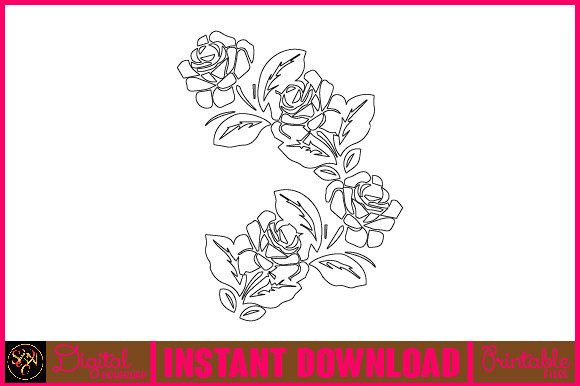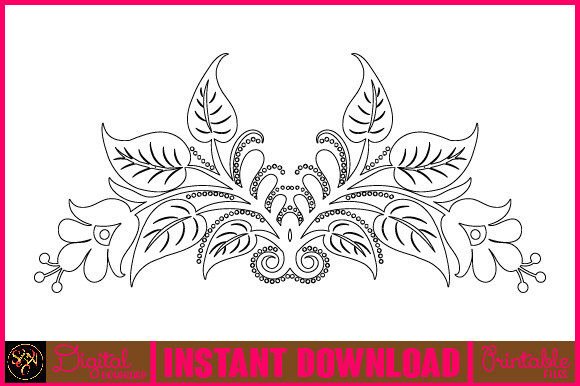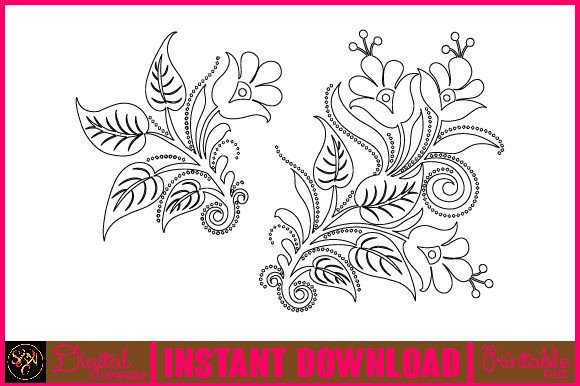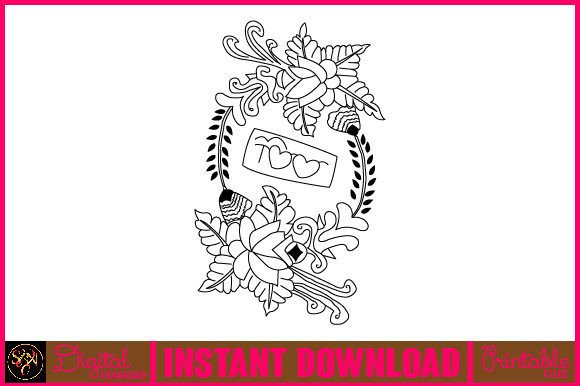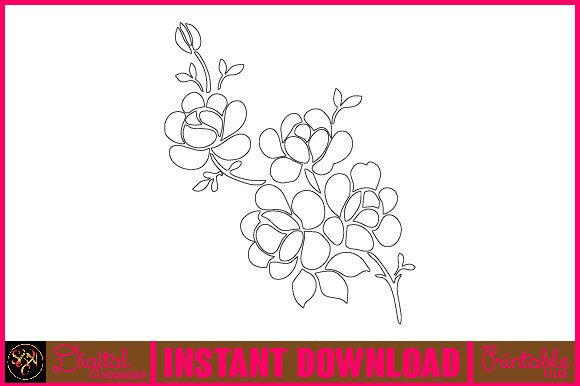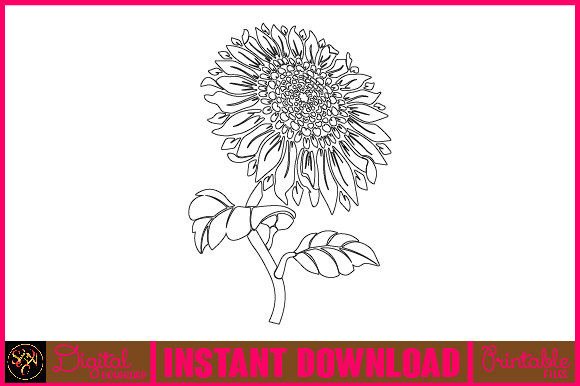
Sunflower Line Art Flower SVG Elements 2
A Designer’s First Glance: Light, Loose, and Full of Quiet Charm
When Sunflower Line Art Flower SVG Elements 2 opened on my screen, I didn’t see a “design”—I saw a mood. Hand-drawn botanical energy, yes, but more importantly: breathing room. The sunflower isn’t bold or hyper-detailed—it leans into simplicity with a graceful branch, soft curves, and open negative space. That’s not a limitation; it’s an invitation. This isn’t a design that shouts from a crowded Etsy thumbnail. It whispers—elegantly—on a linen tea towel, a cotton baby onesie, or the curved brim of a structured cap. Its personality is gentle, intentional, and quietly confident—ideal for makers who value subtlety over saturation.
How It Translates to Real Embroidery Projects
I tested Sunflower Line Art Flower SVG Elements 2 across three real-world items: a medium-weight organic cotton tote bag, a midweight French terry sweatshirt, and a 100% cotton kitchen towel. On all three, the line art held up beautifully—not because it’s dense or flashy, but because its rhythm matches how thread moves. The branches flow like running stitch paths. The petals read clearly at 3–4 inches wide without needing heavy fill stitch. And crucially? It doesn’t fight the fabric. On the sweatshirt, where stretch and nap can blur fine lines, the clean contours stayed legible thanks to deliberate spacing between elements.
This makes Sunflower Line Art Flower SVG Elements 2 especially strong for:
- Personalized gifts—think monogrammed pillow covers or baby blankets where delicacy reads as care, not fragility
- Small shop merchandise—boutique aprons, ceramic mug sleeves, or holiday gift tags where botanical warmth builds brand cohesion
- Etsy listings—its hand-drawn authenticity photographs well in natural light mockups and supports strong storytelling in product descriptions
- Digital embroidery file bundles—paired with coordinating leaves or frames, it becomes part of a cohesive design system, not just a standalone graphic
Where to Use It Thoughtfully (Not Just “Carefully”)
“Careful use” sounds cautious—but what this design really needs is *intentional placement*. It shines brightest when given space to breathe. So avoid cramming it into tiny hoops under 3 inches unless you’re using it as a single leaf accent, not the full composition. On textured fabrics like bouclé or thick terry cloth, simplify further: isolate one sunflower + stem, skip the finer branch details, and lean into satin-stitched outlines instead of dense fills.
Dark fabric? No problem—just confirm your thread colors have enough contrast. I used ecru on charcoal linen and got soft, sophisticated results. But on highly reflective or slippery synthetics (like some performance polos), test stabilizer first: lightweight cutaway works better than tear-away for maintaining line integrity. And on curved surfaces—caps or mugs—orient the branch vertically. Horizontal layouts tend to distort near seams or crowns.
What It Adds to Your Finished Product—Beyond Aesthetics
Sunflower Line Art Flower SVG Elements 2 quietly lifts perceived value. Not through complexity, but through consistency: it looks handmade *because* it feels hand-guided. Customers notice that difference—especially on personalized gifts or boutique apparel. It signals attention, not automation. That builds trust. When someone sees this on a custom embroidered tote sold at a local craft fair, they don’t think “SVG download.” They think, “This person chose something thoughtful.” That subtle shift matters—for repeat buyers, Instagram shares, and word-of-mouth referrals.
It also supports brand consistency without locking you in. As a craft business owner, you can use the same sunflower motif across packaging stickers, digital thank-you cards, and physical embroidery—creating continuity across touchpoints. And because it’s line art, not a photorealistic bloom, it scales gracefully: crisp at 2 inches on a patch, still balanced at 6 inches on a wall hanging.
Practical Notes Every Embroidery Designer Should Check
Before stitching your first client piece or listing a finished product:
- Test on scrap fabric—same type, same color, same stabilizer you’ll use for the final item
- Review stitch density—line art should feel light; if your machine adds unnecessary underlay or fill, simplify in editing software
- Confirm hoop size compatibility—this design works best in 4x4 or larger hoops, but check how much of the branch fits before scaling down
- Inspect small details—the tip of the stem or inner petal lines may need slight thickening for stability on thin or stretchy fabric
- Mock it in black and white—if it loses clarity without color, adjust contrast or simplify
- Compare light vs. dark backgrounds—some thread sheens behave differently on contrasting grounds
- Use appropriate stabilizer—lightweight cutaway for knits, tear-away for stable wovens, no-show mesh for sheer layers
- Verify licensing—as a Graphics asset, confirm whether commercial use (e.g., selling embroidered patches or digital bundles) is permitted before launching your Etsy listing or wholesale line
Final Thought: Not Just a Design—A Design Decision
Sunflower Line Art Flower SVG Elements 2 won’t dominate a collection—but it might become the quiet anchor. It’s the kind of illustration that earns repeat use because it adapts: elegant on nursery decor, grounded on workwear aprons, warm on holiday kitchen linens. It asks for thoughtful pairing, not heavy lifting. If your craft business values authenticity over algorithm-friendly flash, this isn’t just another embroidery file. It’s a reliable note in your visual vocabulary—one that stitches cleanly, photographs honestly, and feels like it belongs.